Soon, the Pharmacy First service will be adding five new conditions to the seven that they already treat.
One of the new conditions is mild to moderate acne in young people and adults.
When the University of Oxford interviewed young people with acne for their Health experience insights (Hexi) pages, the people they spoke to talked about the emotional effects of having acne.
And, although they accepted that having acne wasn’t unusual, they still felt stressed, self-conscious and frustrated.
Some people also felt that the problem was not always taken seriously and others didn’t go to the doctor because they ‘worried the condition was too trivial’.
If you are worried about your acne and you want treatment, you will soon be able to use the Pharmacy First service if you have mild or moderate acne. You can also buy over-the-counter treatments to create a skincare routine including mild face washes, exfoliating cream and cleansing lotion.
What is acne?
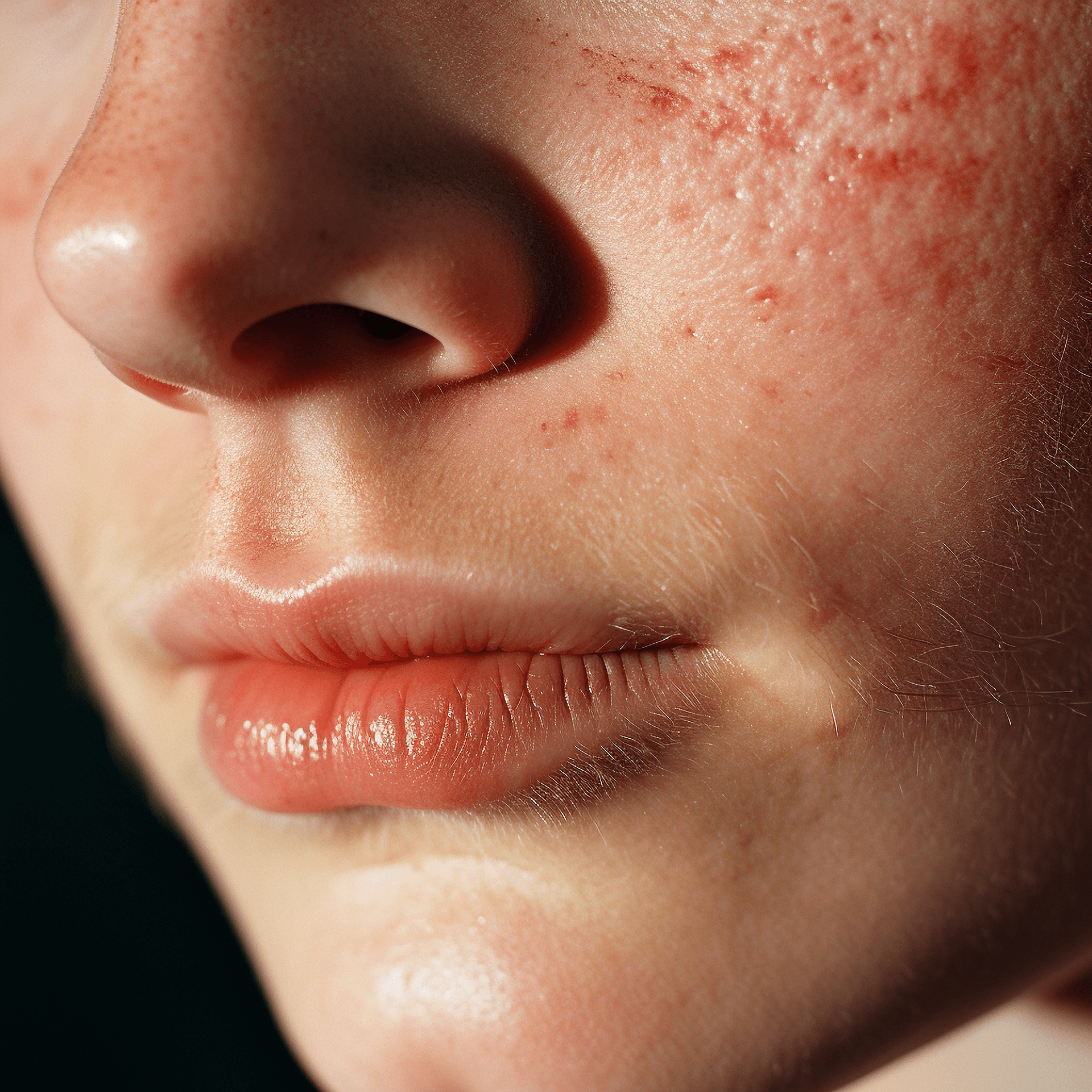
Acne is very common skin condition. It causes spots and lumps under the skin and generally effects your face, chest and back.
The spots on your skin aren’t always the same. People with acne may have:
- Blackheads – Small black or brown spots
- Whiteheads – Normally small spots that are the same colour as your skin
- Pustules – Raised spots filled with pus
- Papules – These are raised spots on your skin
- Cysts – Lumps beneath the skin’s surface usually pus-filled
- Nodules – Larger lumps beneath the skin that can be painful
Acne can also cause scarring which leaves the skin with tiny holes.
What causes acne?
Acne is caused when the glands at the surface of the skin produce too much oil (sebum) and the pores become blocked with oil and dead skin cells.
Pustules, nodules, cysts and papules are caused when excess oil encourages bacteria to multiply which then leads to skin inflammation.
Acne is sometimes caused by fluctuations in hormone levels, which is why it often starts during puberty or pregnancy. Certain types of medicines can also affect acne and using oily skin or hair care products.
What is mild acne?
Mild acne is usually described as a mixture of whiteheads and blackheads without any inflammation.
What is moderate acne?
A person with moderate acne will have pustules and papules, with pus and some inflammation.
How is acne treated?
Acne can be treated with topical creams, gels or lotions from the pharmacy. Prescription medicines include antibiotics, retinoid or, in some circumstances the combined contraceptive pill to manage hormone levels.
What ingredients in topical treatments help acne?
These are the ingredients that help acne. You may not be able to use some of these at the same time, for example, retinol and glycolic acid should be used at different times of the day so that they don’t cause irritation.
It is recommended that you start with a low dose of each product and gradually build up the amount you use. It’s important that you know how frequently you can use these products because overuse can cause more skin problems.
Some of the most useful products for acne are:
- Retinol – Retinol is found to clear blocked pores and exfoliate the skin
- Niacinamide – This is vitamin B3. It is an anti-inflammatory so it may reduce the redness and swelling of your skin.
- Glycolic acid – works to exfoliate the skin and improve tone and elasticity.
How can the pharmacy help?
The pharmacy can help you to choose the best skin products for your skin type and advise you how to use topical treatments.
When the new conditions are added to the Pharmacy First service you can get prescription treatment from the pharmacy if you have mild or moderate acne.
We’re always happy to provide help and advice. If you have acne and you are wondering about skincare treatments, come in and tell us what products you’d like to try.
We have a good range of face washes, gels, blemish sticks and cleansing pads especially for sensitive skin with acne.