While you get most vitamins come from plant and animal foods, vitamin D needs something else…Sunshine! And that’s why it’s often called the sunshine vitamin.
When you’re in the sunlight there is a reaction between the protein molecules under your skin and the sunlight. This reaction then produces vitamin D.
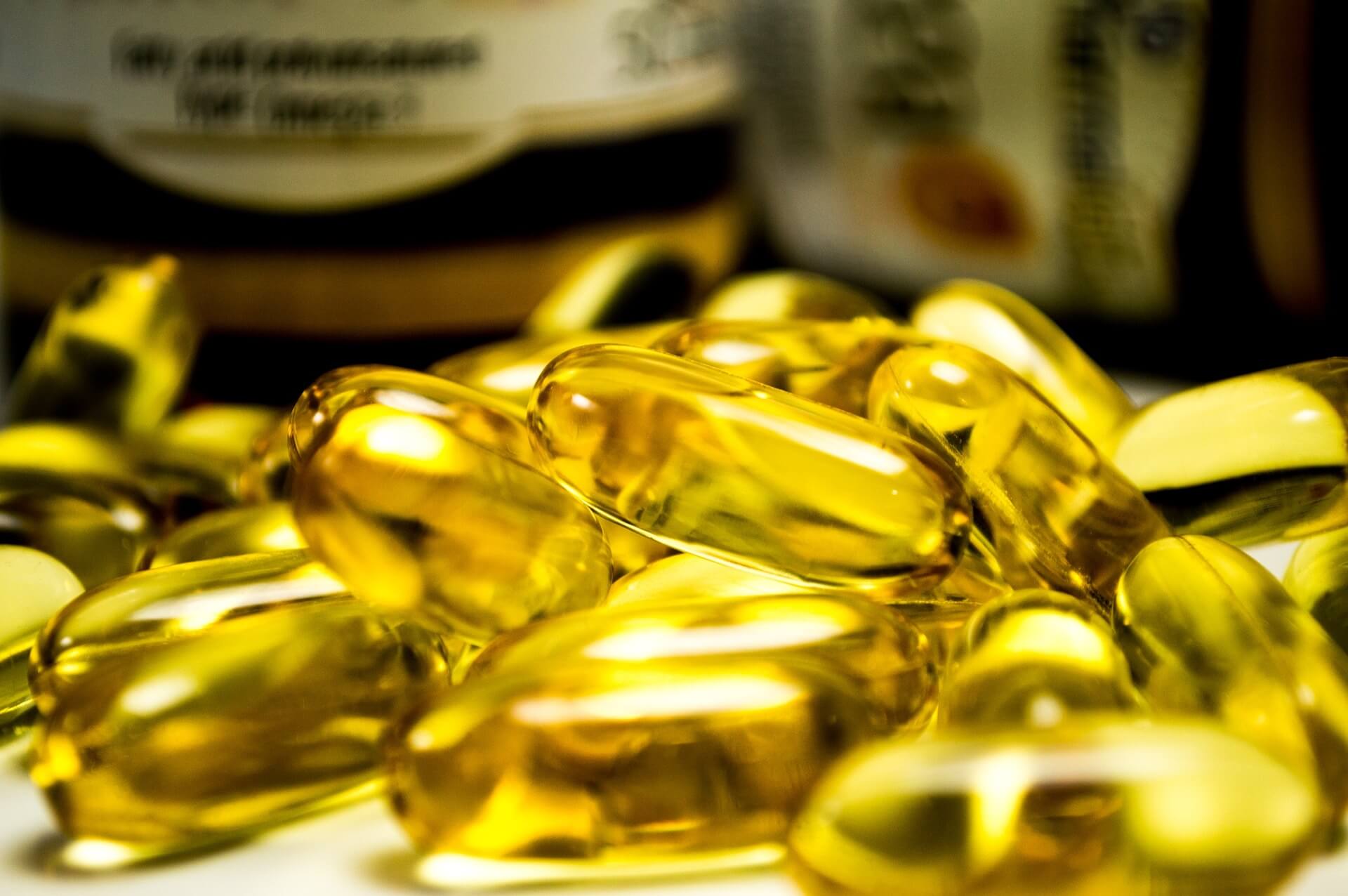
But, in the UK, during autumn and winter, the sunlight isn’t strong enough and food may not provide enough of the vitamin. That’s why Public Health England recommend that everyone takes a vitamin D supplement containing 10 micrograms from October to March.
Isn’t it risky to expose your skin to a lot of sunlight?
Yes, you don’t need to be out in the sun for long periods to get vitamin D. The National Osteoporosis Society recommend that you spend 10 minutes with the sun on your face or arms between 11am and 3pm. They also give a useful tip about how to tell whether the sun is high enough in the sky for it absorb into your body.
The tip is to measure your shadow. They say if your shadow is shorter than your height then the sun will produce vitamin D for your body. But, if your shadow is longer than your height, the sun is too low in the sky and can’t produce the vitamin.
What are the benefits of vitamin D?
Vitamin D helps the body absorb calcium, which then strengthens bones and muscles and helps the immune system.
Can children take vitamin D?
Yes, children between the ages of 0-12 months can take 10 mcg of and after the age of one and up to 70 years old, the dose can increase to 15mcg. Adults over the age of 70 are recommended to take 20mcg.
What foods are rich in vitamin D?
Oily fish, tuna, liver, lean red meat, cheese, mushrooms and egg yolks all contain vitamin D. Milk, yoghurts, orange juice, cereals and margarine are fortified with vitamin D.
Mackrel, salmon, mushrooms and boiled eggs are some of the foods with the highest levels of vitamin D. .
What are the signs I might have a low vitamin D level?
General signs are hair loss, aches and pains in your joints, feeling tired, and loss of appetite.
Signs of a more serious deficiency include bone weakness, rickets and brittle bones increasing the risk of osteoporosis.
Children may experience teething problems, irritability, growth delay or cardiomyopathy, which is weakness of the heart muscle. Babies might have trouble breathing, cramps or even seizures.
Are vegans and vegetarians at risk of low vitamin D?
Yes, because many of the foods rich in vitamin D are animal-based. Pregnant women are also at risk and anyone whose skin is normally fully covered when outdoors. Some medications for health conditions such as epilepsy or HIV can also deplete vitamin D stores in the body.
Do I need a prescription for a vitamin D supplement?
Only if you are diagnosed as having a vitamin D deficiency. You would normally have a blood test to confirm a deficiency and then you may be prescribed a higher dose of vitamin D.
How can the pharmacy help?
We have a good range of vitamin D supplements at the pharmacy. Our team can help you choose a suitable product and check that you’re taking the right amount. If you’re unsure whether you need a supplement, take regular medicines or have a health condition, ask the pharmacist for advice.