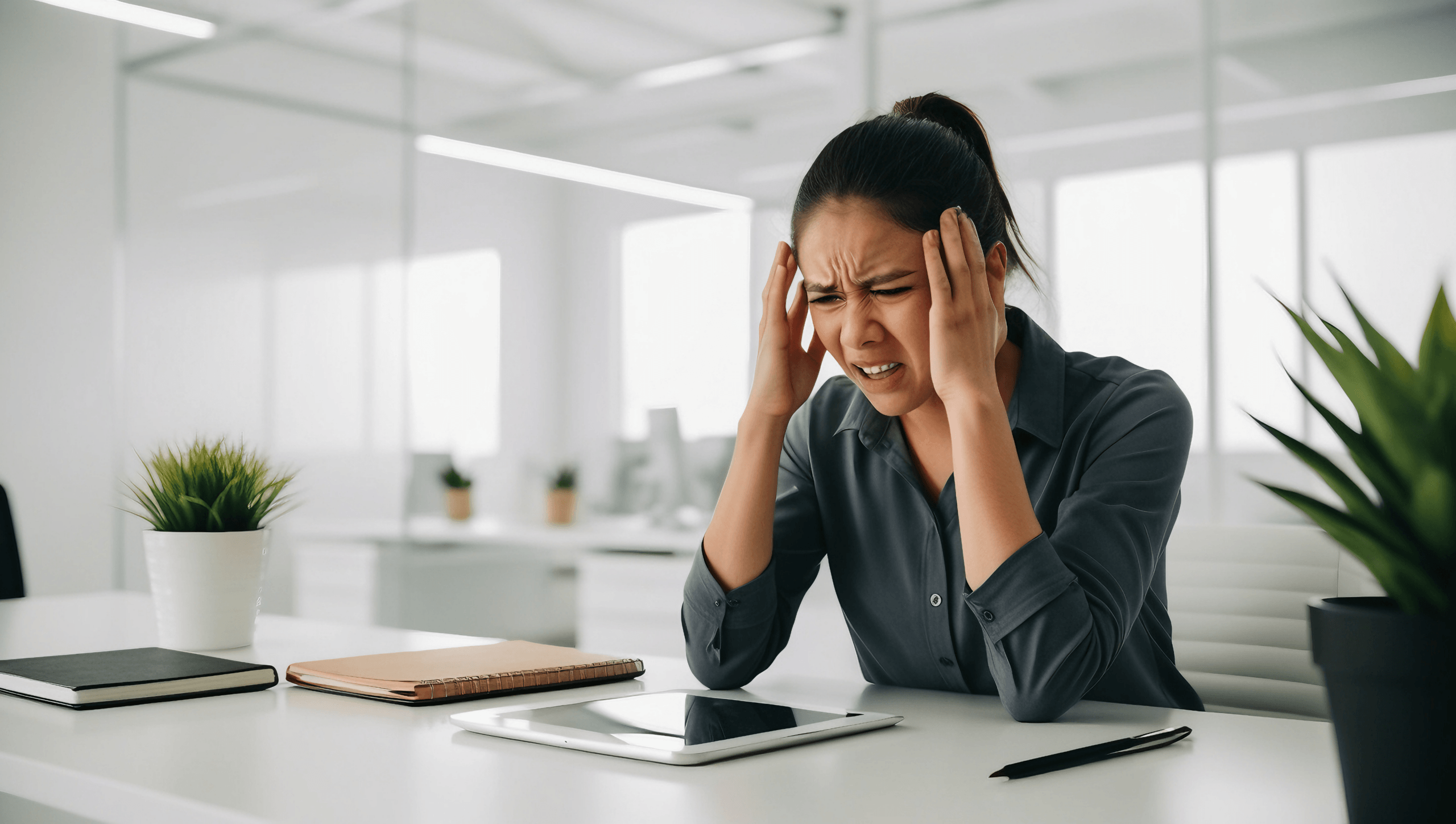
According to the Migraine Trust, 1 in 7 people live with migraine. And for some people the symptoms are so debilitating that they are unable to get on with daily life.
Anyone at any age can get migraine, it often starts during puberty and is more common in women than men.
What’s the difference between a tension headache and a migraine?
A tension headache usually causes pain on both sides of your head, sometimes like a tight band. The pain often passes quickly and usually doesn’t come with other symptoms or significantly disrupt your day
A migraine headache often means you have to stop what you’re doing and rest. Some people have a sensitivity to sound or light so lying down in a quiet, dark room helps to relieve these symptoms.
The pain is often a throbbing sensation on one side of your head, and it can feel worse when you move around. Migraines can last hours or days.
Migraines are sometimes associated with other symptoms. Some people see blurry stars or flashes of light. Ithers have difficulty with speech or feel odd sensations. This is called migraine with aura.
Additional symptoms in other types of migraine include dizziness, vomiting, sight and hearing problems.
How many types of migraine are there?
There are around nine different types of migraine, plus headaches caused by overuse of painkillers and other headache disorders. You can have chronic or episodic migraine. The most common type of migraine is migraine without aura.
What is chronic migraine?
You will usually be classed as having chronic migraine if you have a migraine headache on at least 15 days in the month, for at least 3 months, and at least 8 of those days included symptoms such as nausea, light sensitivity or with aura.
What is Episodic Migraine?
Episodic migraine is when you have migraine headaches with symptoms on less than 15 days per month. Your doctor can also classify episodic migraines as high or low frequency.
If you have high frequency migraines, then you are getting migraine headaches between 8 and 14 days a month. Low frequency migraines are classed as fewer than 4 migraine headaches in a month
What are the causes of migraine?
Migraine is thought to be caused because the nerves in your brain are extra sensitive and they become over-stimulated. Nobody is sure why attacks happen, but for most people there are triggers.
What are common migraine triggers?
The NHS list triggers in categories which include:
Physical Triggers:
- Fatigue
- Poor sleep patterns
- Shoulder or neck tension
- Shift work
- Low blood sugar
Emotional Triggers:
- Stress
- Anxiety
- Depression
- Shock
- Excitement
Hormonal Triggers:
- Changes in your menstrual cycle
- Changes in oestrogen levels
Dietary Triggers:
- Missing meals
- Eating chocolate, citrus or dairy products
- Alcohol
- Caffeine
- Being dehydrated
Medication Triggers:
- HRT (Hormone Replacement Therapy)
- Overusing painkillers
- Combined contraceptive pill
- Some types of sleeping tablets
Environmental Triggers:
- strong smells
- Changes in the climate
- Loud noises
- Flickering screens
- Smoking
What are the treatments for Chronic Migraine
Usually, chronic migraines are treated with acute and preventive medicines.
Acute treatments stop a migraine that’s already started and include medication such as Triptans like sumatriptan or eletriptan.
Another newer class of treatments are Gepants such as Nurtec and Ubrelvy which may be prescribed to patients who can’t take triptans or who need medication with a lower risk than triptans, of causing overuse headaches.
How can the pharmacy help?
Later on, this autumn (2026) more common health conditions will be added to our Pharmacy First service including the treatment of low frequency episodic migraine in adults aged between 18 and 64. We’ll give you more details nearer the time.
Meanwhile, we can help with your prescriptions and give you advice about pain relief solutions for tension headaches. Come in and talk to a member of staff, we’re always happy to help.