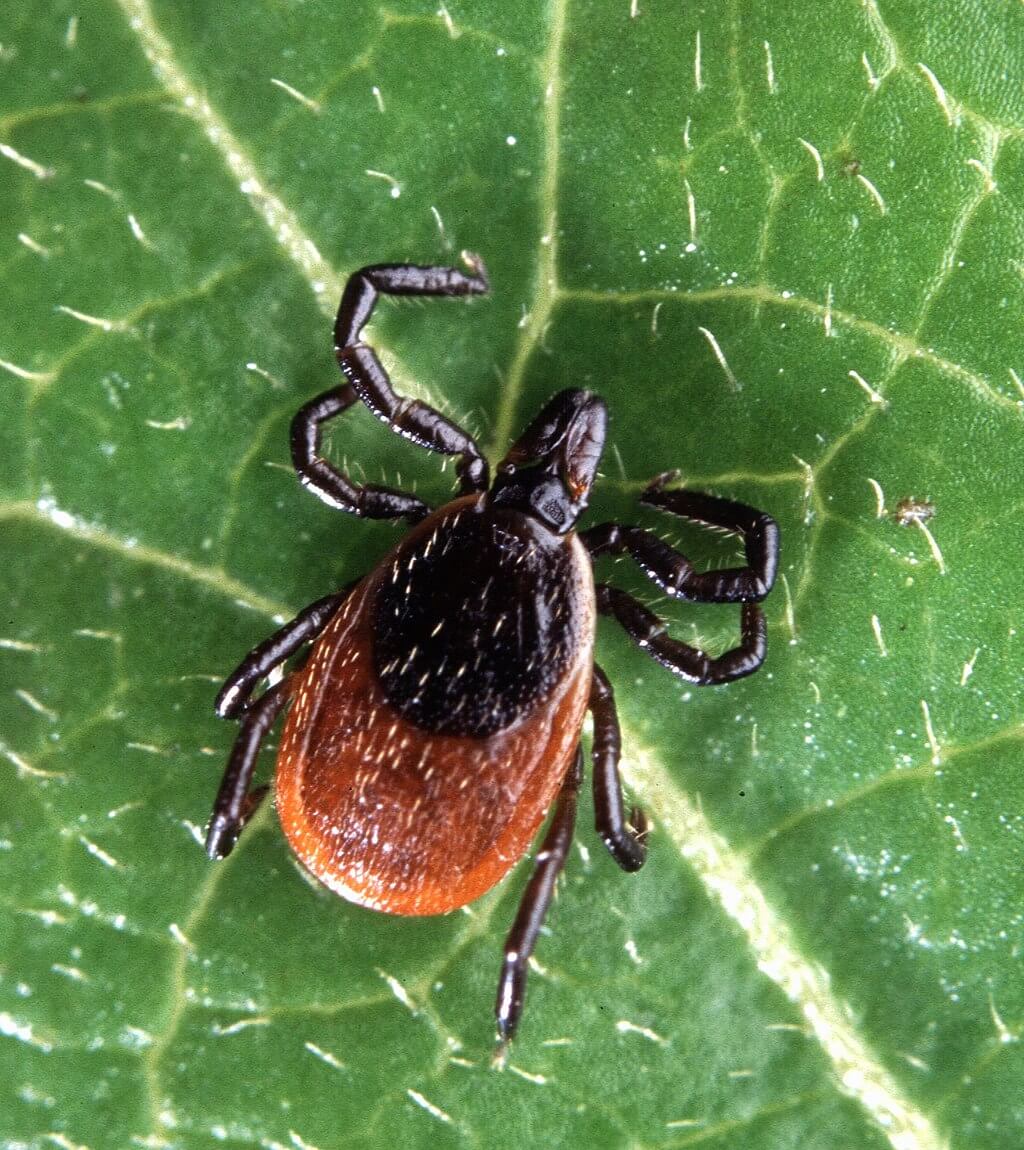
At the beginning of August, the BBC published an article about Victoria Stellas, from Anglesey, Wales who was bitten by a tick while on holiday in Greece.
As a result of the bite, she contracted tick-borne encephalitis and she now lives with memory problems and nocturnal seizures.
Many people don’t realise that tick bites can cause brain inflammation. Most people associate ticks with Lyme disease.
What is tick-borne encephalitis?
It is a viral infection that’s spread through tick bites. Ticks infected with the virus can be found in some parts of Europe and Asia. In the UK, according to the NHS, the risk of getting tick-borne encephalitis (TBE) is very low.
What are the symptoms of the virus?
For many people the symptoms, which appear around a week after being bitten, are like flu. You might have:
- a temperature
- a feeling of tiredness
- aches and pains
- a headache
- nausea
After a few days, you’ll begin to feel better and there will be no other serious symptoms. However, for some people, like Victoria Stellas, the infection will spread to the brain, causing inflammation (swelling).
The symptoms of brain inflammation caused by encephalitis include:
- Feeling disorientated or confused
- Having seizures
- Finding it difficult to speak
- A loss of movement in some parts of the body
- A change in personality or behaviour
The person affected might also lose consciousness. A person with brain swelling will need hospital treatment immediately.
What kind of environment do ticks like?
Some ticks reside in woodland and forests, and other species prefer the warmth and humidity of a Mediterranean climate. Ticks are tiny and use birds and mammals as their hosts. But they also feed off humans.
You might come across ticks if you are camping or walking through areas of countryside or woodland.
Where in Europe and Asia can tick-borne encephalitis be found?
Infected ticks have mostly been found in western and northern Europe and northern and eastern Asia.
Locations in Europe include:
|
Austria
|
Estonia
|
Lithuania
|
Slovakia
|
|
Belarus
|
Finland
|
Moldova
|
Slovenia
|
|
Belgium
|
France
|
Netherlands
|
Sweden
|
|
Bosnia and Herzegovina
|
Germany
|
Norway
|
Switzerland
|
|
Bulgaria
|
Hungary
|
Poland
|
Tunisia
|
|
Croatia
|
Italy
|
Romania
|
Ukraine
|
|
Czech Republic
|
Latvia
|
Russia
|
United Kingdom
|
|
Denmark
|
Liechtenstein
|
Serbia
|
|
Locations in Asia include:
|
China
|
Kyrgyzstan
|
|
Japan
|
Mongolia
|
|
Kazakhstan
|
South Korea
|
How can I protect myself from tick bites?
Wear trousers and long-sleeved tops. Use an insect repellent on your clothes and your skin. Light coloured clothing is recommended because it will help you to spot ticks if they are on your clothes.
If you are walking through fields or in forests, try to keep to pathways and avoid brushing against plants and vegetation.
How do I remove a tick?
Use a tick removal tool which you can buy from the pharmacy before your trip. If you don’t have one, then you can use tweezers. Use the tool, or tweezers to grip the tick without crushing or squeezing it as close to your skin as you can and pull it upwards slowly but firmly. Dispose of the tick by placing it in a tissue and squashing it between your fingers. Make sure though you don’t get any tick fluid on your hands. You can then throw the tick in the bin or down the toilet.
Can I have a tick-borne vaccination at the pharmacy?
Yes. Our travel clinic provides a vaccination against tick-borne encephalitis. It costs £69.99 (2026) and you’ll need 3 doses. The first dose should be administered at least one month before you travel. The second dose should be given to you two weeks after the first dose. So, two doses protect you for travel. After 3 years it’s recommended that you have a booster injection.
The vaccination is suitable for adults and children who are 1 year and older.
How do I make an appointment at the travel clinic?
You can make an appointment online, give us a call on 01276 21002 or come in to the pharmacy and book an appointment.