Have you ever used ChatGPT to diagnose your health symptoms? Many people do. In April this year, the BBC published an article about Abi from Manchester who likes to use ChatGPT to manage her health.
However, the article highlighted an important problem: although ChatGPT may sometimes provide useful information, it doesn’t always get things right.
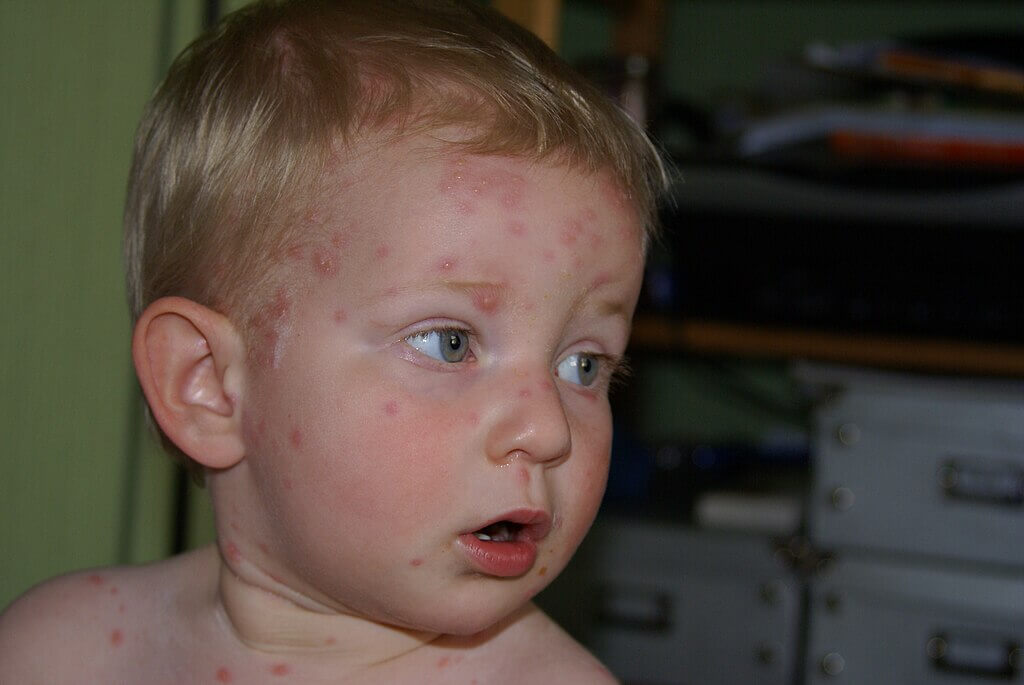
And the danger when you’re dealing with healthcare is that a wrong diagnosis can create unnecessary panic, anxiety and worry.
When you’re dealing with your health, an incorrect answer can do more than inconvenience you. It could cause unnecessary anxiety, provide false reassurance or delay you from getting the medical help you need.
ChatGPT isn’t a doctor or a pharmacist
Imagine you want to buy paint in an unusual colour, so you ask ChatGPT which brands make it. It gives you the name of a company, but when you look online, you discover that the company is no longer in business. It is frustrating, but no real harm has been done.
Health advice is different.
Suppose you tell ChatGPT that you feel as though you have flu. It may advise you to rest, drink plenty of fluids and take paracetamol or ibuprofen if these medicines are suitable for you. That may be sensible advice for an uncomplicated viral infection.
But what if you have just returned from a camping holiday in southern Germany? What if you also remember finding a tick attached to your skin?
Flu-like symptoms can be an early sign of tick-borne encephalitis, a rare infection found in some parts of Europe. The NHS advises anyone who develops flu-like symptoms following a tick bite to contact their GP or NHS 111.
A pharmacist would ask questions about your symptoms, medical history, current medicines and recent travel. They could then advise you whether self-care is appropriate or whether you should seek medical help.
It may not ask the right follow-up questions
If we take the encephalitis sample. At home you might not mention you have recently been on a camping holiday and that you found a tick. It might slip your mind.
But if you go to the pharmacy and describe your symptoms one of the questions they will ask you is if you have travelled recently.
ChatGPT doesn’t know your complete medical history
ChatGPT is only taking its information from the content that’s available on the internet. That means it is giving generic advice.
It doesn’t know anything about your medical history. You might have allergies, a pre-existing medical condition or maybe you are pregnant. Chat GPT doesn’t know these things, but your Pharmacist does.
So, the advice you get from your pharmacist will be tailored to your needs according to your health records.
A confident answer isn’t always a correct answer
Although ChatGPT will give you a confident answer the information it collects may be outdated or incorrect. AI doesn’t know the difference between true and false information.
How Can the Pharmacy Help?
A pharmacist is a qualified health professional trained to provide advice about minor illnesses, symptoms and medicines. They also know how to identify warning signs and recommend seeing a doctor or getting urgent help.
So, rather than turning to Google or ChatGPT for help, speak to your pharmacist. You can come into the pharmacy or telephone on 01276 21002.
If you are taking a holiday and you want protection from viruses such as tick-borne encephalitis, or rabies, then make an appointment at our travel clinic online.