Most people think of chickenpox as a childhood illness and while it’s true, it mostly affects children, adults can catch it too. Chickenpox in adults is sometimes more severe and can lead to complications.
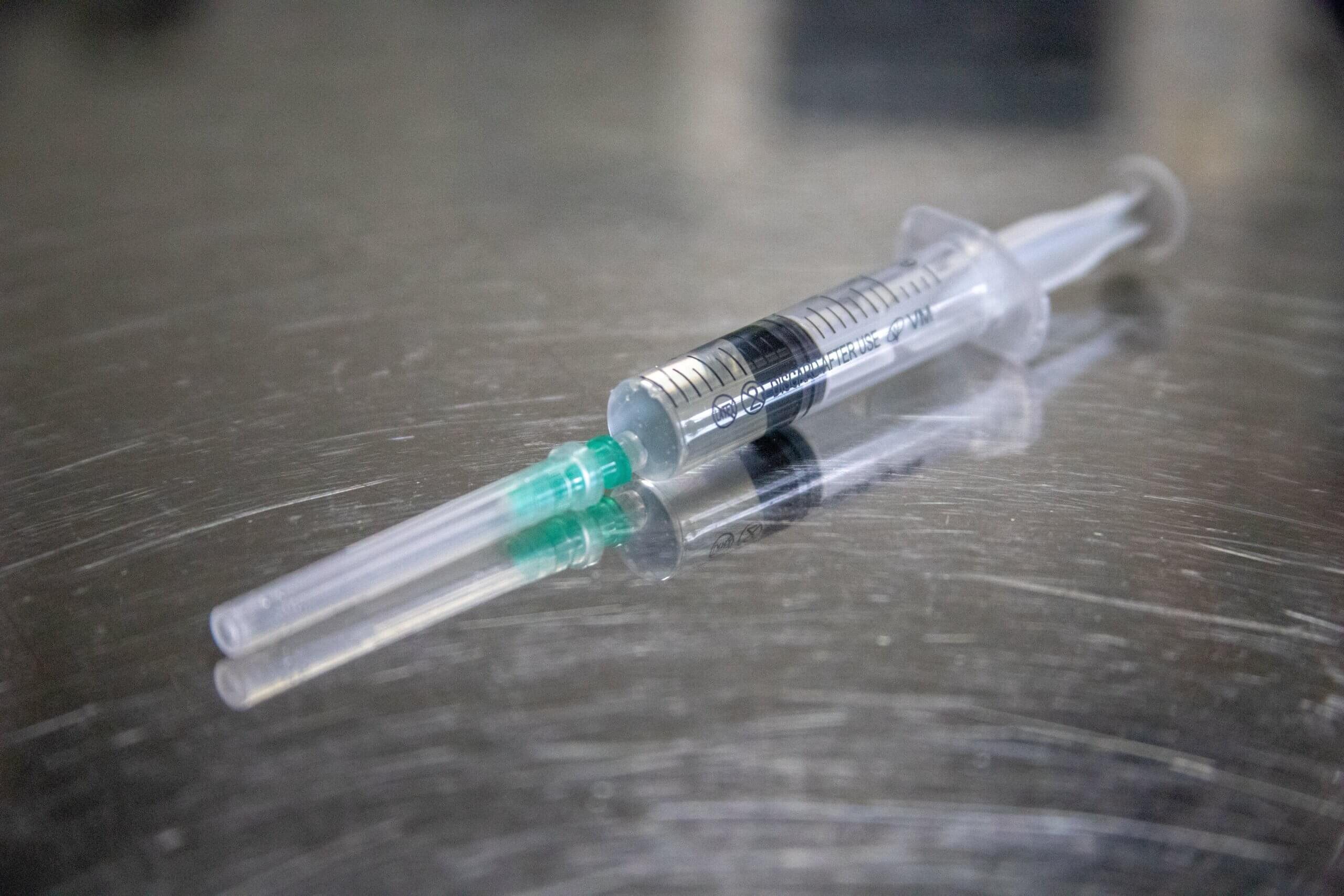
The good news is, if you weren’t vaccinated as a child, you can have the chickenpox vaccination as an adult. In this article, we’ll look at who can benefit from the chickenpox vaccine and what you need to know before booking an appointment with us.
What is Chickenpox?
Chickenpox is a viral illness. It’s very easy to catch from someone who already has the infection. It spreads through coughs, sneezes, direct contact and by touching objects that an infected person has touched.
When you are coming down with chickenpox the first symptoms are usually feeling like you have flu, with aches and pains and generally not feeling well. A day or two later you may see red spots on your body, some people have a lot of spots and some, hardly any.
The spots are pus-filled and itchy. They appear as blisters and then after about 5 days, the blisters turn into scabs which usually means you are no longer contagious.
Is Chickenpox More Serious in Adults?
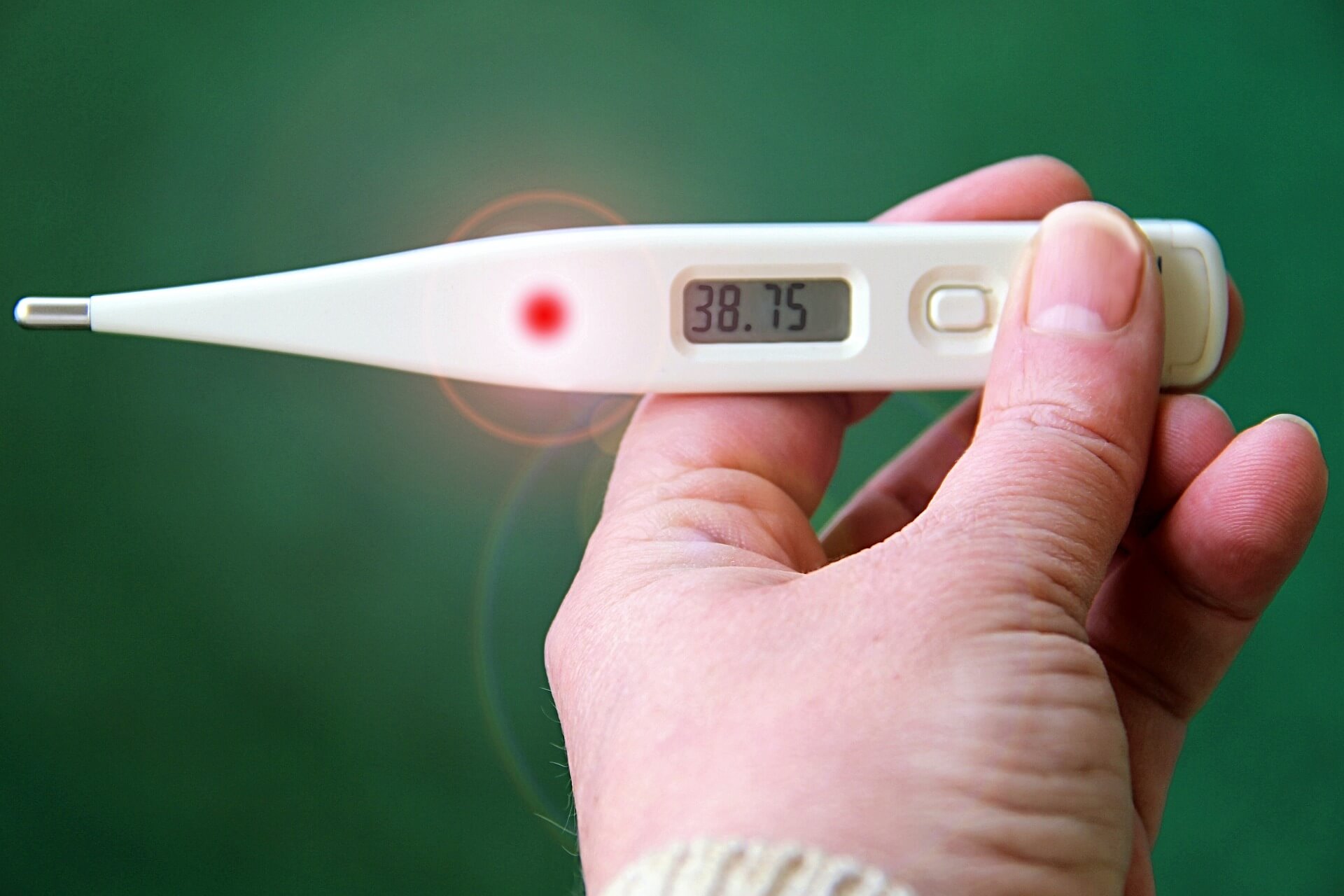
It is usually more infectious in adults than in children, you might feel unwell for a few days. Normally the way to treat chickenpox is to stay at home. You can take paracetamol if you have a high temperature. An emollient cream should ease the itching, or you can take an antihistamine during the day, or at night if itching is means getting to sleep is difficult.
Complications are rare, but adults might develop pneumonia as a result of having chickenpox. This is more likely to happen if you are a smoker.
Another rare complication is encephalitis, which is when the brain becomes swollen (inflamed). Symptoms include confusion, difficulty speaking and sometimes loss of movement in parts of the body. This is a medical emergency, and you should call an ambulance immediately if you or a person you are looking after has these symptoms.
Chickenpox and Pregnancy
According to the Royal College of Obstetricians & Gynaecologists, 9 out of 10 women are immune to chickenpox. This means it’s not common in pregnancy. The reason for this is that in the UK you probably had chickenpox as a child. If you weren’t in the UK during your childhood, then you might not have had chickenpox. You can have a blood test to confirm your immunity if you are thinking about starting a family.
If you catch chickenpox while you are pregnant and you think you might not be immune, you must see your GP as soon as possible after coming into contact with the virus. Your doctor may then prescribe antiviral tablets called acicovir, which you take for 7 days. The treatment doesn’t mean you won’t develop chickenpox, but it will be milder than a normal dose and last for a shorter period of time.
Chickenpox and Your Baby
Up to 28 Weeks
If you have chickenpox and you are less than 28 weeks pregnant, then there is a good chance your baby won’t be affected. However, some babies (less than 1 in a 100) may be born with damage to bowel, bladder or brain damage, or damage to eyes, arms or legs.
Between 28 Weeks and 36 Weeks
The virus will be in your baby’s body, but there won’t be any symptoms. Although they may develop shingles when they are young. Shingles is caused by the chickenpox virus. Shingles causes a red rash on one side of your body which is usually very painful. A mild case of shingles can be treated with antiviral medication, but if your child has a serious case, they may need to be treated in hospital.
Between 36 Weeks and Birth
At this time there is a greater risk that your baby will also develop chickenpox. Normally your antibodies will help to provide some protection. The baby will also have an injection of VZIG (Varicella Zoster Immune Globulin) and the antiviral drug, acyclovir.
Can I Have a Chickenpox Vaccination as an Adult?
Yes. It is suitable for most people and is recommended if you are not immune to chickenpox and especially if you are thinking about starting a family or you are a person working in a healthcare environment.
Who Can’t Have the Vaccine as an Adult?
If you have a weakened immune system, you are pregnant, or you are allergic to the chickenpox vaccine or any of its ingredients.
You can see the ingredients for Varilrix and for Varivax but before the vaccine is given to you, you will have a consultation to make sure it is suitable for you.
How Can the Pharmacy Help?
You can pay privately to have your vaccinations at the pharmacy. There are two doses, which are normally between 4 and 8 weeks apart. You can make an appointment online through the travel clinic, or by phoning the pharmacy on 01276 21002. If you’re in the area, then pop in and see us, and we can make a face-to-face appointment.
More Chickenpox FAQs
Is the chickenpox vaccine a live vaccine?
Yes. This means it contains a weakened live strain of the varicella-zoster virus. This won’t give you chickenpox, but it will stimulate your immune system which will then attack the virus if it enters your body in the future.
Are there any common side-effects with the chickenpox vaccine?
Common side effects are swelling, redness and soreness where the injection went into your arm and sometimes it causes a temperature. Less common are symptoms such as a chickenpox rash or feeling like you have a cold. Uncommon side effects include swollen glands, diarrhoea, muscle pain or feeling tired.