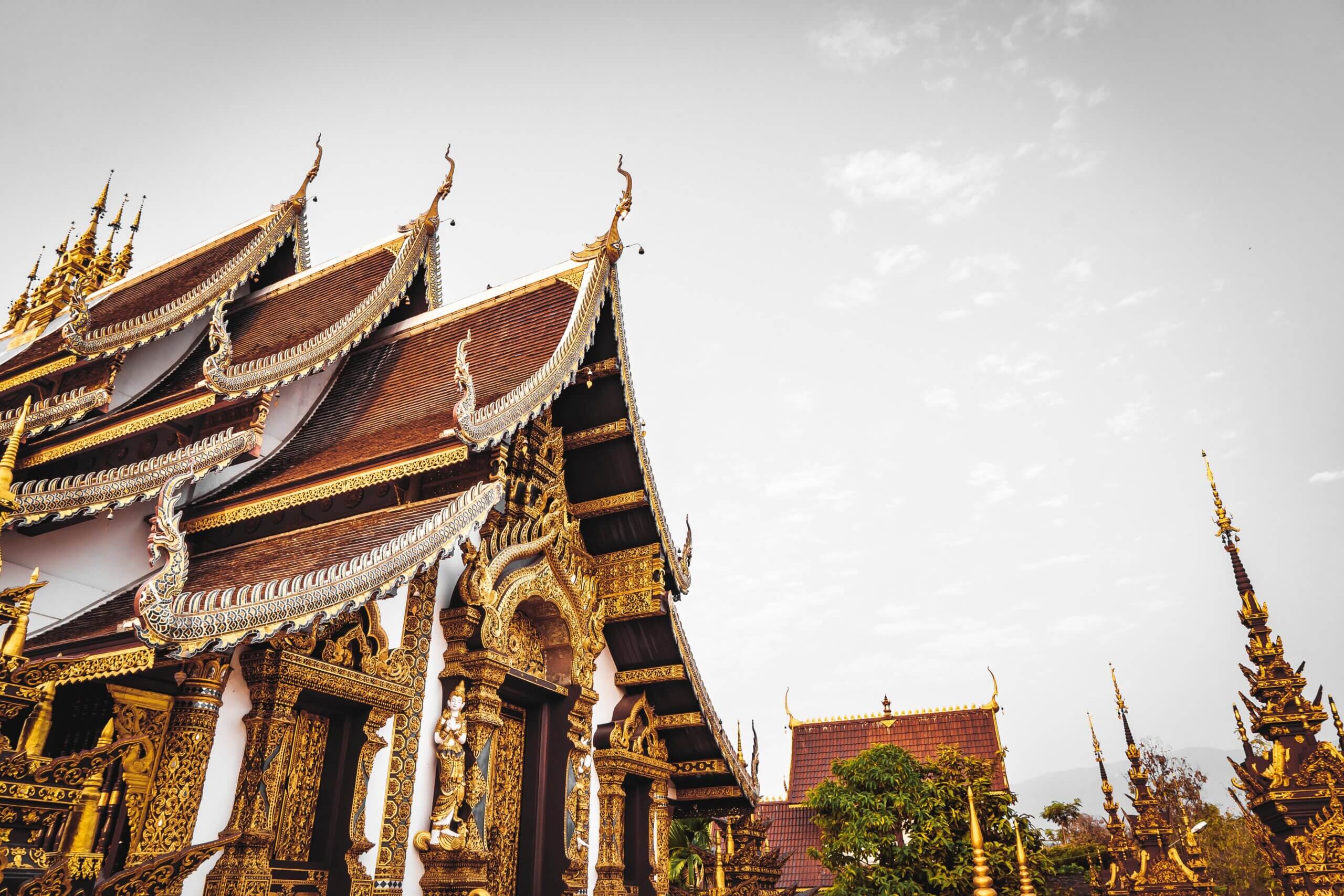
When travelling to long-haul destinations in Asia it is usually advisable to have vaccinations to protect you from certain bacterial or virus infections. Thailand is no exception.
Whether you plan to visit the bustling streets of Bangkok, practice mindfulness amongst the hills of Chiang Mai or chill out on the beaches of Phuket or Koh Samui, you still need to be careful.
Eating and drinking, contact with animals, mosquito bites and swimming in fresh water all carry risks in certain parts of Thailand but if you have the right vaccines it will help to protect your health.
What vaccines do I need for Thailand?
You should be up to date with your routine UK vaccinations which include the MMR and diphtheria, tetanus and polio vaccines.
Travellers to Thailand are also recommended to have the tetanus and hepatitis A vaccinations.
Tetanus
If your routine dose was more than 10 years ago then you should have another vaccine or booster. Tetanus is caused by bacteria getting into the body through a wound, a bite, a scratch or a burn. According to the NHS symptoms usually start after around 10 days.
Symptoms of tetanus include:
- Difficulty opening your mouth
- Muscle spasms
- Breathing difficulties
- A high temperature
The tetanus vaccination is part of the Diphtheria-Tetanus-Polio. You only ned one dose administered at least a week before travel.
Hepatitis A
Hepatitis A is a viral infection. You can catch it from drinking polluted water or eating food that’s been washed or grown in contaminated water or handled by a person with the infection.
The symptoms of Hepatitis A include:
- High temperature
- Sickness
- Headache
- Muscle pains
- Fatigue
- Grey or yellow poo
- Dark brown urine
- Jaundice (yellowing skin and whites of eyes)
If you have symptoms, it is recommended that you limit contact with people for 7 days after the symptoms or jaundice started. Over-the-counter painkillers can help with any pain. Hepatitis A will often get better on its own, although it may take between 3 and 6 months.
The Hepatitis vaccination has 2 doses. The first dose must be administered at least 2 weeks before you travel to Thailand. The second dose will need to be administered between 6 and 12 months later.
Other Vaccines
Other vaccines are also recommended for travellers to Thailand who are visiting friends and relatives, staying outside tourist areas, or planning to stay in the country for more than a month. These vaccines include:
Rabies – Domestic animals carry rabies in Thailand and bats also carry a rabies-like virus. You need 3 doses and the first dose must be administered at least 4 weeks before you travel.
Measles – There may be a risk of measles in Thailand and that’s why it is important to make sure your measles vaccinations are up to date. If you are planning on staying in a rural area to visit family and you have a baby who hasn’t received the MMRV vaccine yet in the UK, you are advised to consider early vaccination.
Typhoid – Typhoid is spread through contaminated food and water. You only need one dose, and it should be administered at least 2 weeks before you travel.
Vaccines for infections spread by mosquitos in rural areas, include:
Japanese Encephalitis – You need 2 doses and you need to have the first dose at least 6 weeks before visiting Thailand.
Dengue – The vaccine consists of 2 doses. The first dose needs to be administered at least 18 weeks before you travel
Chikungunya – You only need one dose which you should have at least 2 weeks before you travel to Thailand.
Malaria is low risk in most of Thailand and therefore tablets are not usually needed.
How do I book my vaccinations
You can book your vaccinations at the VSM Pharmacy Travel Clinic, online, or by calling us on 01276 21002. If you’re passing the pharmacy, you can pop in and speak to a member of staff.