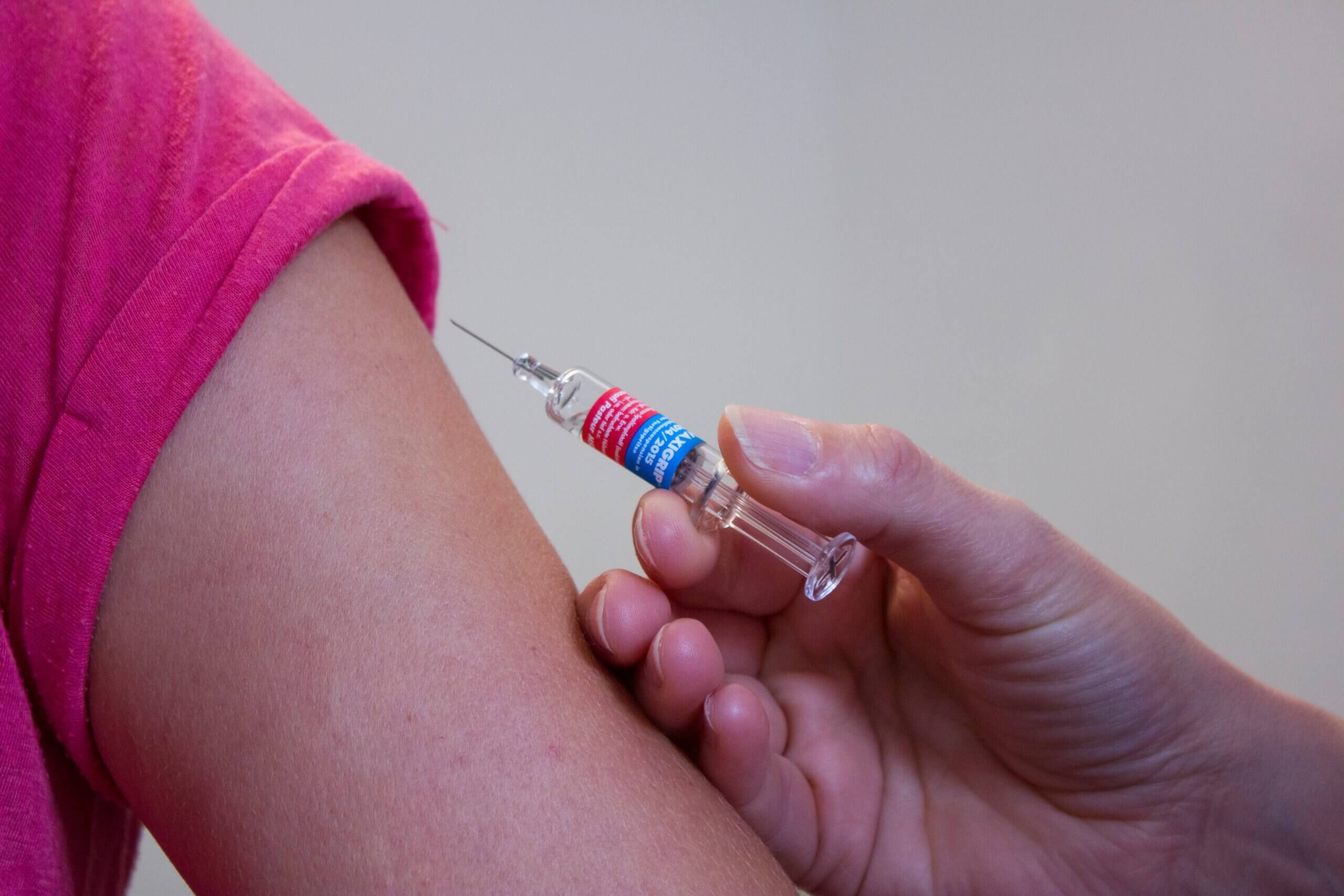
In the news recently has been the recent outbreak of Meningitis B in Kent, with the sad news that two young people had died and at least 30 others were seriously ill.
If you are worried, there are vaccines available to buy through the travel clinic. But bear in mind that meningitis isn’t common in the UK.
There are reported cases every year, but The European Centre for Disease Prevention and Control (ECDC) rate Europe, which includes the UK, as a very low risk for the disease.
What is Meningitis B?
Meningitis B is a bacterial strain that is commonly accompanied by sepsis. It is an infection of the protective lining of the spinal cord and the brain.
Normally, this bacteria lives in your nose and throat without doing any harm. Around 10% of people carry the bacteria and don’t ever become ill.
When sepsis is also present the illness can be life-threatening because sepsis (blood poisoning) can cause organ failure, tissue damage and death.
How a harmless bacteria changes to a dangerous infection isn’t completely understood.
What are the symptoms?
The symptoms of meningitis are:
Meningitis | Sepsis | Meningitis and Sepsis |
Aversion to bright light | Muscle/joint pain | Fever and vomiting |
Seizures | Diarrhoea | Confusion |
Severe headache | Stomach Pain | Delirium |
Stiff neck | Pale skin | Sleepy |
| | Cold hands and feet | Unaware |
| | Shivering | Body Rash |
| | Breathlessness | |
| | Fast Breathing | |
In babies, the NHS tell us the symptoms of meningitis to look out for are:
- Irritation and crying
- Floppy, unresponsive or stiff bodies
- refusing to feed
- A high-pitched cry
- A soft spot that’s bulging on the top of their head
How do I know a body rash is from meningitis?
Do a glass tumbler test. Press the side of a clear glass tumbler on the skin where there is a rash. If you can see the rash marks clearly through the glass, then you need to get medical help immediately.
How is it treated?
Bacterial meningitis is treated in hospital. You’ll be given antibiotics and fluids intravenously (directly into a vein). An oxygen mask will help with your breathing.
How is meningitis B spread?
The bacteria are spread through close contact. Mostly, say experts, through sneezing, kissing and coughing. Sharing drinks might also spread the bacteria, and, more recently, it is thought that sharing vapes could be a risk.
This is because when you share a vape you are passing on saliva and meningitis is spread by respiratory droplets.
Isn’t there a Men B vaccine?
Yes. Since 2015 all babies are offered the MenB vaccine at 8 weeks old with another dose at 12 weeks and a booster at one year.
Teenagers can also have the MenACWY vaccine, which covers four different types of meningococcal bacteria, which can cause meningitis with sepsis, especially in young adults.
Does bacterial meningitis cause complications?
Unfortunately, yes. According to the NHS 1n person in every 2 or 3 who survives bacterial meningitis is left with one or more permanent problems.
These problems include:
- Partial or total hearing loss
- Epilepsy
- Movement and balance difficulties
- Loss of limbs (sometimes it is necessary to amputate a limb to halt the spread of sepsis)
- Arthritis
- Total or partial vision loss
- Learning difficulties
- Kidney problems
Are there any organisations that support people who have had meningitis and their carers?
Yes. If you need help and advice, you can contact the Meningitis Research Foundation and/or Meningitis Now
Can I have the vaccine then?
Yes. If you are not eligible for an NHS vaccine you can have the vaccination privately here at the pharmacy.
Before we administer any injections, we will require a consultation to make sure you don’t have any health issues that might mean the vaccine isn’t suitable for you.
How do I book an appointment?
We stock meningitis vaccinations. Currently (April 2026) we have stocks of the MenACWY vaccine. We are waiting to replenish or stocks of MenB, which we hope will be available soon.
You can give us call on 01276 21002, pop into pharmacy and speak to a member of staff, or you can book online,