Cellulitis is a bacterial skin infection. It’s quite common, but if it isn’t treated quickly, it can become serious.
How do you get Cellulitis?
Cellulitis occurs when a bacteria such as streptococcus or staphylococcus enters your body through:
- Cracked or dry skin
- Grazes or cuts
- A surgical wound
- From an insect bite or sting
- Due to a skin condition like eczema
What are streptococcus and staphylococcus?
They are both forms of bacteria. They are found on your skin, nose and throat. Normally, they are harmless, but they can cause infections.
For example, strep throat is caused by Streptococcus, and Staphylococcus causes boils and abscesses.
What are the symptoms of Cellulitis?
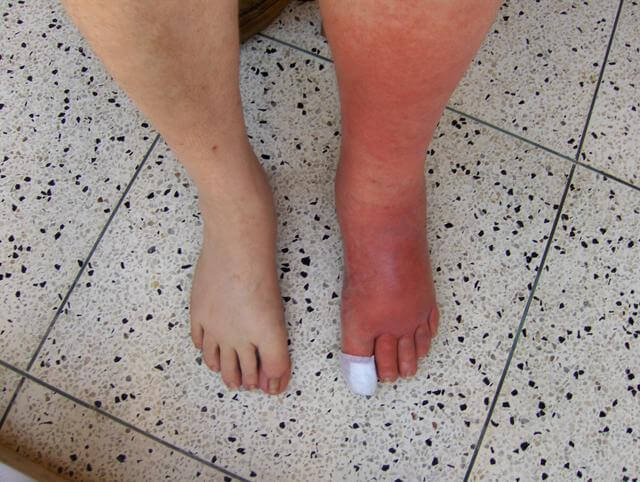
Cellulitis mostly affects the skin. You might find that an area of your skin becomes:
- Inflamed and hot to the touch
- Red and swollen
- Tender or painful
You might also feel generally unwell with a fever, chills and fatigue.
Can Anyone Develop Cellulitis?
Yes, anyone can develop the infection, but some people are more at risk than others. You are at a greater risk If you have:
- Diabetes
- Weakened immunity
- Other skin conditions
- Poor circulation
It’s also a bigger risk if you have had cellulitis before. Or do you suffer from oedema (swelling in your legs).
Should I Seek Medical Attention?
Yes. Get urgent help if you notice:
- The area is becoming very painful
- The skin starts to blister or change colour
- You have a fever
- The redness on your skin begins to spread
What Can Happen If It’s Not Treated Quickly?
Sometimes, if the infection isn’t treated quickly, bacteria may enter the bloodstream, and this could cause blood poisoning and sepsis, which is a life-threatening condition. Another very serious but rare complication is necrotising fasciitis, better known as flesh-eating disease.
How is Cellulitis Treated?
If there are no complications, then the infection can be treated with antibiotics. You’ll be advised to rest at home and drink plenty of fluids. If you are in pain, you can take over-the-counter pain relief such as paracetamol or ibuprofen.
Can You Prevent Cellulitis?
It’s not possible to prevent cellulitis, but there are things you can do to protect your skin.
Keep skin clean and well moisturised
Remove dirt and bacteria from your skin each day with a wash or a shower. Afterwards, treat skin with moisturiser, which will help to prevent it from becoming cracked and dry.
Treat cuts and grazes
If you have an insect bite or a graze, then clean the area with warm soapy water, dry thoroughly and then apply an antiseptic cream to the affected area. Do the same if you have a cut, but once the skin is dry, cover it with a clean dressing.
Try to avoid scratching itchy skin
Dry skin conditions like eczema can make your skin itchy. Try to avoid scratching as this may break the skin and leave you at risk of a bacterial infection like cellulitis. Use an emollient or moisturiser to sooth the itching.
Use recommended treatments for eczema
The most common treatments for eczema are emollients, steroid creams, lotions and gels. These treatments may help with the itching, which will stop the skin from breaking and making bacteria easier to enter your body. Your GP may also recommend treatments if your eczema doesn’t respond to over-the-counter treatments.
How Can the Pharmacy Help?
VSM pharmacy can give you help and advice if you are worried about skin issues. We stock a variety of moisturisers and emollients suitable for dry skin conditions.
We also have antiseptic creams and mosquito and insect repellent. If you need pain relief, we have a range of over-the-counter medicines and tablets.
And of course, we are here to help you with treatments prescribed by your GP.