Sometimes people just don’t eat enough of the right foods. Or, they do, but the body isn’t able to absorb enough vitamin B12 from food. Lack of vitamin B12 can lead to B12 deficiency anaemia.
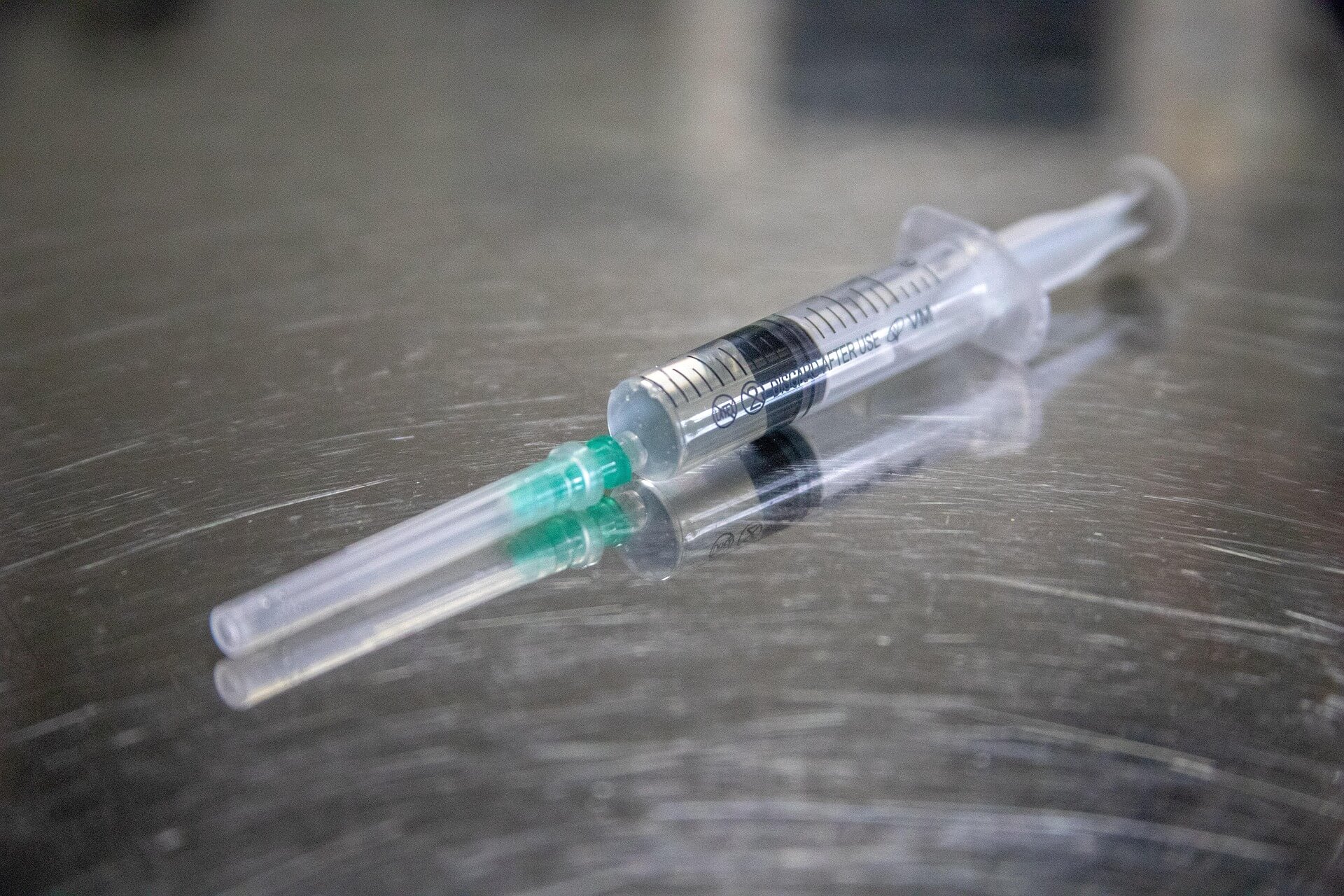
Vitamin B12 injections can help to replace the vitamin in your body and improve the symptoms of your B12 deficiency.
What are the symptoms of Vitamin B12 deficiency?
In a healthy person, red blood cells use haemoglobin to carry oxygen around the body. B12 anaemia means you either have fewer red blood cells, or there is a lower amount than normal of haemoglobin in each of your red blood cells.
When you have a vitamin B12 deficiency you might start to feel very tired, lack energy, experience muscle weakness, pins and needles or problems with your memory. Other symptoms include mouth ulcers, issues with your vision, anxiety or mild depression.
Does B12 deficiency cause any other complications?
Yes, it can. Sometimes it can make it difficult to conceive, but if you are deficient when you are pregnant there is a risk of your baby being born with spina bifida or another neural tube defect called encephalocele. Untreated pernicious anaemia also carries a greater risk of developing stomach cancer.
What causes vitamin B12 deficiency?
The most common cause id due to a condition called pernicious anaemia. When you have pernicious anaemia, the body attacks your healthy cells which makes it impossible for your body to absorb vitamin B12.
Women over the age of 60 are more likely to get the condition, as are people who have an autoimmune disease already such as Addison’s disease, or people who have family members with the condition.
It can also affect people with Crohn’s disease, or if you have had part of your stomach removed (a gastrectomy) as a result of cancer treatment.
Another cause is due to the lack of foods that contain vitamin B12 in your diet. Because B12 is mostly in animal products, Vegans are at risk, as their diet is plant-based and they should look for foods fortified with vitamin B12.
How is the condition diagnosed?
If you’re experiencing any of the symptoms of vitamin B12 ask your GP to do some blood tests. If the first round of tests indicate a vitamin B12 deficiency, then your doctor may refer you to a specialist for more tests and treatment.
How is B12 deficiency treated?
Treatment for vitamin B12 deficiency is often with injections. If your deficiency is related to your diet, you may be advised to take vitamin B12 tablets or an injection twice a year.
The number of injections you need to have over the course of a year depend on the symptoms being treated. For example, if you have tingling or numbness in your hands and feet you will be referred to a haematologist and you will have injections every two months, which is six times a year.
Does the injection work immediately?
The injection does start to work immediately, but it might take a few days or a week or two before you feel your energy levels and fatigue improve.
Are there any side effects?
The most common side effects from vitamin B12 injections are:
- Nausea or vomiting
- Pain or itching at the injection site
- Headache
- Dizziness
- Hot flushes
- Diarrhoea
Side effects don’t usually last long and we can help you here at the pharmacy if you need advice on how to treat any discomfort.
Can I have B12 injections at the pharmacy?
In the future, yes. We plan to offer this service. Keep an eye out for any information in the shop or online or have a chat with a staff member.