Measles is a viral infection. Before the measles vaccination was introduced in 1968, it was a common childhood illness in the UK.
If you were born in the 1950s and 1960s, chances are you were cared for at home and made to stay in bed, away from others and in a darkened room to protect your eyesight. Regular home visits from the doctor made sure there were no complications and, if there were, the child was admitted to hospital for treatment.
Back then, and now, measles can cause serious illness, which can lead to a life-long disability or even death.
The measles Vaccination
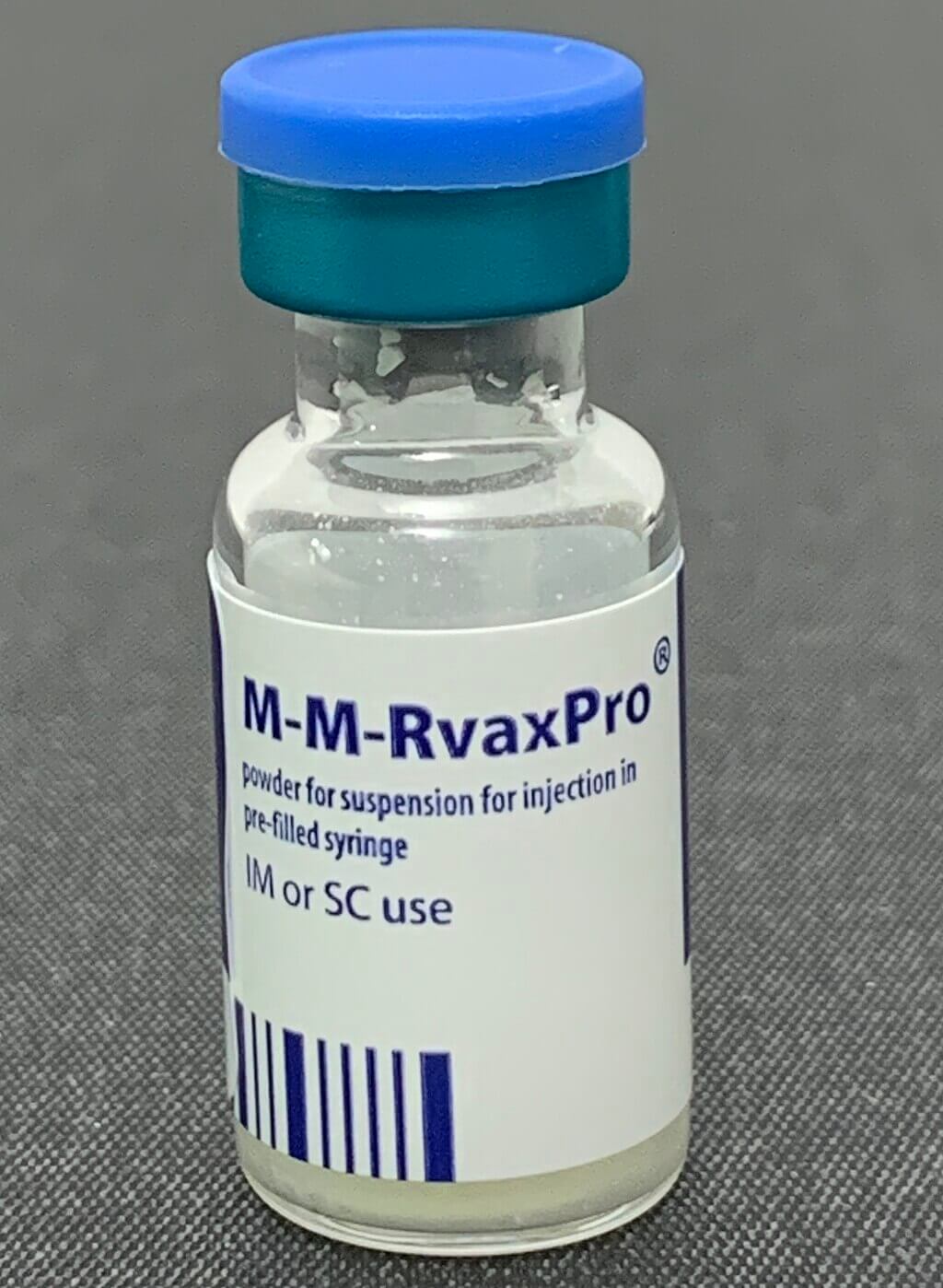
The measles vaccine was introduced in 1968. Twenty years later, in 1988, it was combined with mumps and rubella to create the MMR vaccine. The MMR was a great success, and measles cases were reported to be a low-level risk.
The Andrew Wakefield Problem
This changed, however, in 1998 when Andrew Wakefield published a paper in The Lancet saying that the combined MMR vaccine could cause autism.
The uptake for the vaccination dropped dramatically as worried parents decided they didn’t want to risk their child’s health by having the MMR vaccination.
Andrew Wakefield’s findings were later found to be fraudulent, and he was struck off the medical register in 2010.
The UK‘s elimination status
In 2021, the UK was declared measles-free for the second time, largely due to social distancing caused by the Covid pandemic, but in 2024, the World Health Organisation revoked the status due to 2,911 confirmed cases in England.
Why measles is on the rise again
Measles is on the rise again because the figures for 2014-25 show that, despite a recommended figure of 95%, only 84.4% of children have had two MMR doses by the time they reach the age of five.
Reasons for this are thought to be because some children missed their vaccinations during Covid and some parents still believe that the MMR vaccine is connected to autism. Despite his work being dismissed.
Another reason is thought to be that people now think measles isn’t a common problem and that with modern medicine, the illness doesn’t pose the health complications it did in the past.
What are the symptoms of measles?
Initial symptoms are like a cold. You might have a cough, sneezing and a runny nose. But measles also affects your eyes. They could be:
- Swollen
- Watery
- Red and sore
- Sensitive to light
Other symptoms include a high temperature, fatigue, aching limbs and loss of appetite. You may also notice that you have small whitish spots in your mouth.
About 2 to 4 days after you get the first symptoms, the rash will appear. The spots are red and will normally spread all over the body, and some will join up, so they look like red patches. Unlike chickenpox, the spots don’t itch. The rash usually lasts around a week.
Most people get over measles without any problems, and once you have had the virus,s it is unlikely you’ll get it again.
What are the complications?
Complications from measles are rare, but they do occur. Most at risk are people with weakened immune systems and babies. The problems caused by measles include:
- Meningitis
- Pneumonia
- Blindness
- Convulsions (seizures)
How do you catch measles?
Measles is highly contagious. It is spread by person to person through droplets from coughing or sneezing or by touching a surface where the tiny droplets have landed. The virus can remain on a surface for several hours.
What should I do if I catch measles?
Stay indoors from when the rash appears up to around 4 days. Wash your hands regularly with warm water and soap, and throw used tissues in the bin. Avoid contact with anyone who has a weakened immune system, babies under 12 months old, pregnant women and anyone who hasn’t had the MMR vaccine or the second dose of the vaccine.
Has the MMR vaccine been replaced?
Yes. It has been replaced by the MMRV vaccine, which came into effect in January 2026. This vaccine still protects children from measles, mumps and rubella, but it also now includes chickenpox.
How can the pharmacy help?
Adults and older children born on or before 31 December 2019 who have the MMR vaccination can still receive an MMR vaccine on the NHS. But if you can’t wait for an appointment with your GP and you are going on holiday or business to a high-risk country, you can visit our travel clinic.
The MMR at the clinic is one dose, and it must be administered at least 6 weeks before you travel. It’s suitable for babies from one year old, children and adults, and the cost is currently £49.99.
You can book an appointment online, come in and talk to us at the pharmacy or give us a call on 01276 21002.