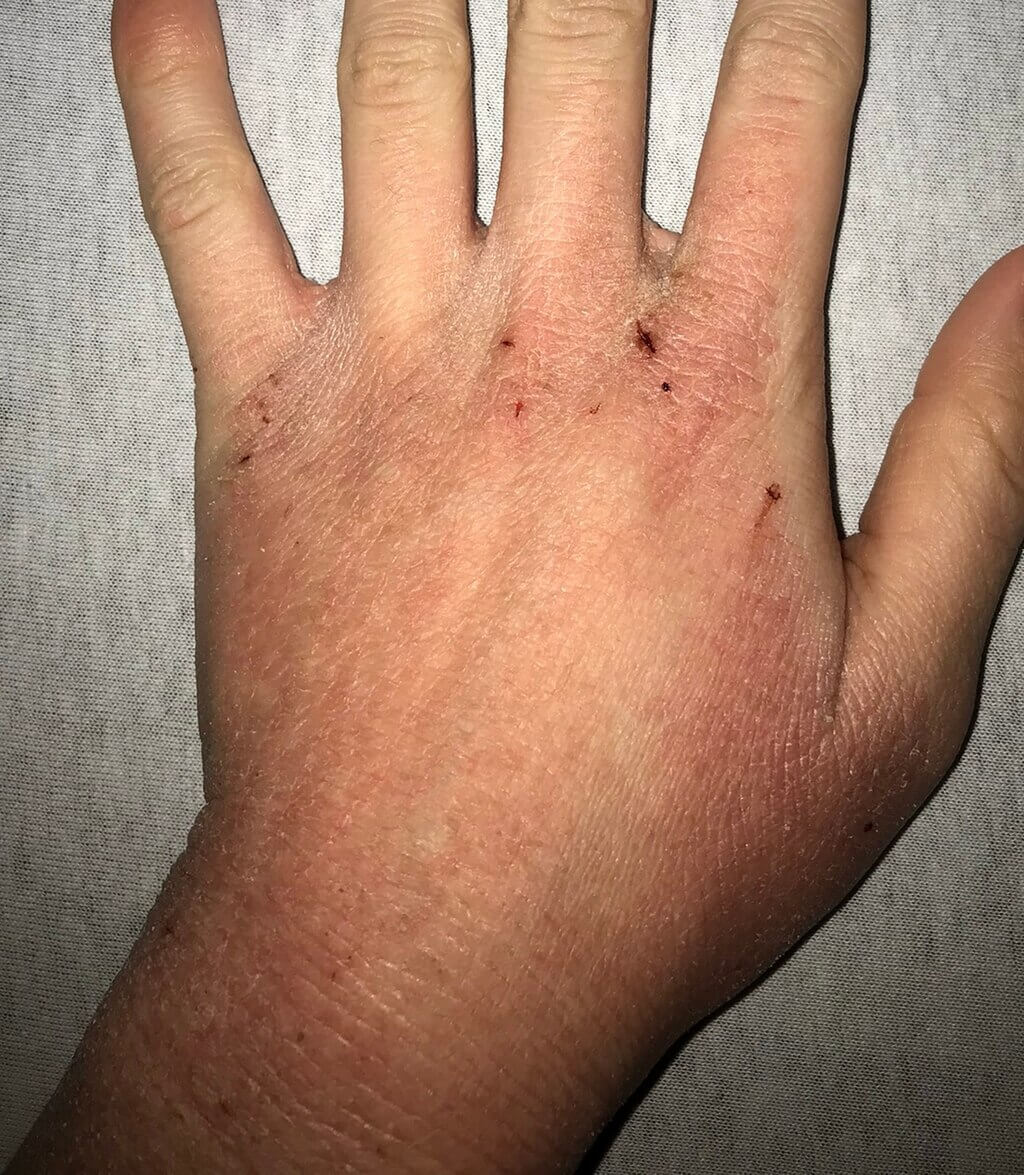
If you have dry skin or eczema, then winter months often mean coping with itchiness and flare-ups. We’ve put together some handy tips to help you care for your skin during the cold weather to help reduce irritation and keep symptoms under control.
Why do my skin problems get worse in winter?
The cold weather and high humidity reduce oil production (sebum) and leave your skin drier than usual. For someone who already has dry skin or eczema, this can mean the skin becomes extra sensitive and more prone to redness and cracking.
What’s the difference between eczema and dry skin?
Eczema is an inflammatory skin condition. The inflammation is triggered when the immune system responds too energetically, causing the skin to become dry and itchy. Atopic eczema is genetic, and a family member is more likely to have eczema too, or an atopic condition like hay fever or asthma.
Studies have shown that a genetic change in a protein called filaggrin weakens the skin barrier. Normally, Filaggrin helps skin cells to hydrate and create a waterproof barrier against allergens and bacteria.
However, the genetic change in filaggrin means many eczema sufferers don’t produce enough moisture to keep their skin hydrated, and the protective barrier is weakened.
Eczema can’t be cured, but with the right treatments, it can be managed. Flare-ups are often caused by using products containing chemicals, exposure to animal fur, a cold, food allergies, or stress.
Dry skin is usually caused by environmental or lifestyle factors. In the winter, central heating dries out the air in your home, and this can lead to dry skin. Hot baths or using non-natural bath and shower gels are also a cause. Dehydration affects the skin, and so does windy weather.
But, unlike eczema, dry skin can be reversed. If we drink enough liquids, use gentle soaps and gels and moisturise regularly, dry skin will improve.
What are the symptoms of eczema and dry skin?
If you have eczema and you scratch the spot that’s itching, it will often lead to dry, cracked skin with blisters or bleeding. Your skin may become patchy and thickened, and it will feel sore and sensitive.
Dry skin can feel rough and become itchy and flaky. It often feels tight, especially if you have dry skin on your face.
What’s the best way to treat eczema?
Creams, gels or ointments will soothe sore skin and reduce itching. Your doctor may also prescribe steroid creams or gels to reduce inflammation. People with moderate to severe eczema that doesn’t improve with the use of creams or ointments may be offered Phototherapy.
Phototherapy uses UVA or UVB light waves to treat the skin over a period of between 12 and 16 weeks, 2 or 3 times a week.
What’s the best way to treat dry skin?
Showering or bathing in water that’s comfortable, but not too hot. Use fragrance-free products for your body and apply moisturiser or emollients to lock in moisture. It’s also good for your skin to stay hydrated by drinking enough liquid and cutting down on alcohol and cigarettes, as they both cause dehydration. While you’re doing housework, wear gloves to protect your hands and always use sun cream on your face when you go outdoors or an SPF moisturiser.
How can the pharmacy help me?
We sell a range of products designed to help relieve the discomfort of dry skin and eczema. If you’re not sure what you need, we’re happy to offer help and advice. We can also deal with your prescription requests and queries you might have about new medication.